Clean Room Structure
The Significance of Cleanroom Design in Healthcare
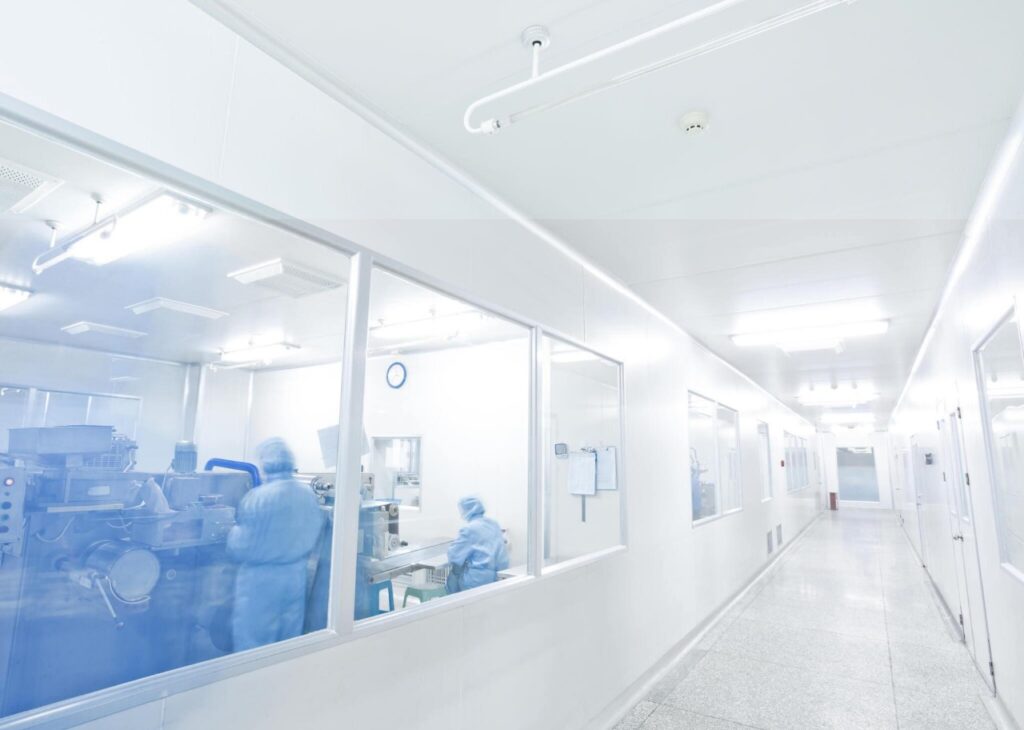
Cleanrooms play a crucial role in healthcare settings by offering a controlled environment that minimizes the risk of contamination and infection. They are vital in areas such as surgery, pharmaceutical manufacturing, and research laboratories. This article explores the key elements of cleanroom design for healthcare and provides practical guidance on how to design and maintain these critical spaces.
Cleanroom Classifications: Understanding the Different Levels
Essential Components of Cleanroom Design
1. Airflow and Ventilation
Proper airflow and ventilation are essential to maintain the desired cleanliness level in a cleanroom. Effective air management design includes:
Air Filtration: Installation of high-efficiency particulate air (HEPA) or ultra-low particulate air (ULPA) filters to remove airborne contaminants.
Air Change Rate: Determining the appropriate air changes per hour (ACH) based on the cleanroom’s classification and purpose.
Airflow Patterns: Designing unidirectional (laminar) or non-unidirectional (turbulent) airflow, with laminar flow typically required for most cleanroom applications.
2. Temperature and Humidity Control
Maintaining optimal temperature and humidity levels is vital for ensuring product quality, preventing microbial growth, and providing comfort for personnel. Considerations include:
Temperature Range: Defining the ideal temperature range for the specific cleanroom application.
Humidity Range: Setting an appropriate humidity range to avoid condensation and microbial growth.
Control Systems: Installing precise and reliable systems to manage temperature and humidity effectively.
3. Construction and Materials
The selection of materials used for constructing cleanrooms is key to preventing contamination and ensuring long-term durability. Factors to consider:
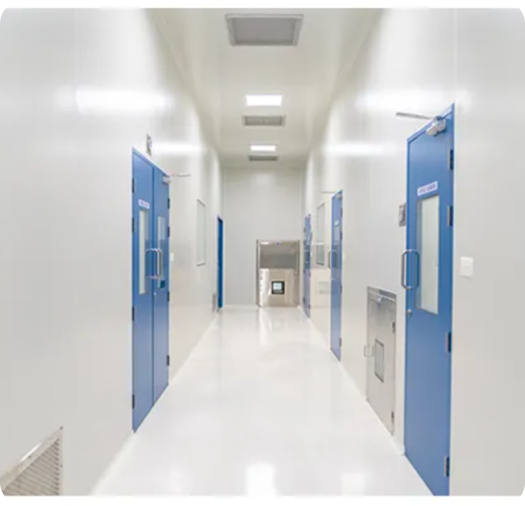
Wall, Ceiling, and Floor Materials: Use non-porous, non-shedding, and easy-to-clean materials such as stainless steel or epoxy-coated surfaces.
Furniture and Equipment: Opt for furniture and equipment designed to withstand frequent cleaning and disinfection without shedding particles.
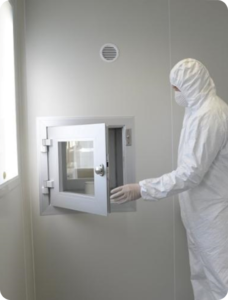
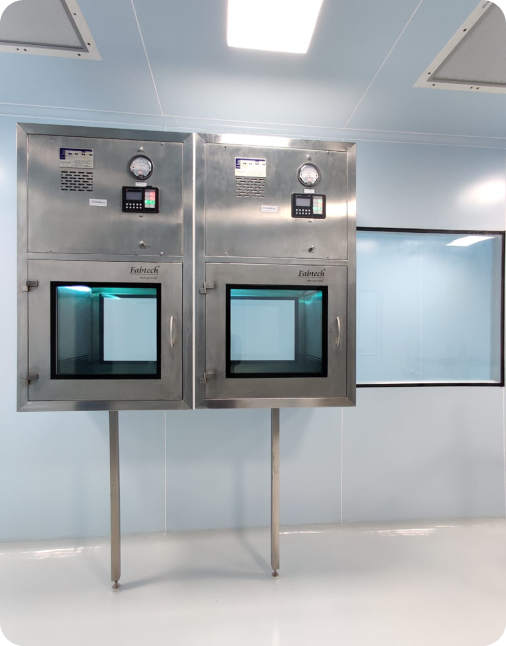
Airlocks and Pass-Throughs: Design airlocks and pass-through chambers to reduce air turbulence and cross-contamination, while maintaining pressure cascades.
4. Personnel and Material Flow
Effective management of personnel and material flow is critical to maintaining cleanroom integrity. Design strategies include:
Access Control: Restrict entry to authorized personnel and manage movement to preserve pressure cascades.
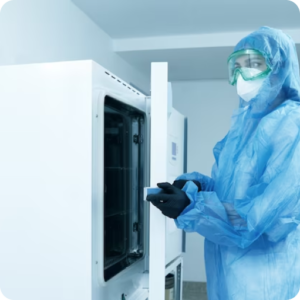
Gowning Procedures: Implement gowning protocols to reduce contamination from clothing or other materials.
Material Transfer: Establish material transfer processes to prevent cross-contamination between clean and non-clean areas.
5. Cleanroom Maintenance and Monitoring
Regular maintenance and monitoring ensure the cleanroom operates efficiently and meets compliance standards. Key practices include:
Cleaning and Disinfection: Implement rigorous cleaning procedures tailored to the cleanroom’s application.
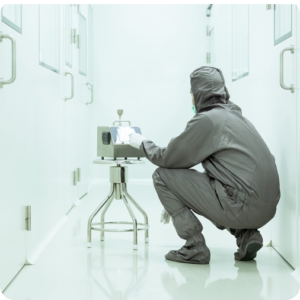
Airborne Particle Monitoring: Continuously monitor airborne particles to ensure compliance with cleanroom classifications and detect potential contamination issues early.
Environmental Monitoring: Regularly measure temperature, humidity, and other environmental factors to maintain optimal conditions and regulatory compliance.
Personnel Training: Provide ongoing training to ensure that cleanroom personnel follow proper gowning, cleaning, and operational procedures.
Maintenance and Calibration: Routinely maintain and calibrate air filtration, temperature control, and monitoring equipment to guarantee performance reliability.
Applications in Hospitals
Within hospitals, cleanrooms serve three primary areas equipped with HEPA filters:
Operating Room: Use HEPA filtration to direct fresh air over the surgical area, ensuring clean airflow over the patient.
USP 797 and USP 800 Compounding Rooms: USP 797 labs (positive pressure) are designed for sterile compounding of non-hazardous drugs, focusing on product protection. USP 800 labs (negative pressure) handle hazardous drugs like chemotherapy, emphasizing both product and personnel protection.
Pathology Labs: HEPA filtration and negative pressure systems safeguard personnel analyzing blood work or pathogens, with Biological Safety Level Two (BSL-2) classifications for additional protection.
Selecting the Right Cleanroom
Choosing a provider with expertise is vital to meeting healthcare-specific cleanroom requirements. Instant Cleanroom Solutions offers a variety of options, including temporary Mobile Cleanrooms, permanent Modular Cleanrooms, and softwall Instant Cleanrooms. To decide between hardwall and softwall cleanrooms, explore this guide on which is the best fit for your healthcare needs.
We offer a wide range of products including modular clean room panels, high-efficiency particulate air (HEPA) filtration units, antimicrobial flooring, and customizable furniture, all designed to meet ISO and GMP compliance. With a focus on durability, ease of maintenance, and strict quality control, our clean room structures help healthcare institutions maintain optimal conditions for surgeries, sterile processing, and other critical medical applications. Whether you are setting up a new facility or upgrading an existing one, our solutions offer the flexibility, scalability, and reliability required to create a safe and controlled medical environment. Let us help you protect your patients and ensure regulatory compliance with our state-of-the-art clean room products.
Are you Interested in? Request a quote and a qualified representative will contact you as quickly as possible.